
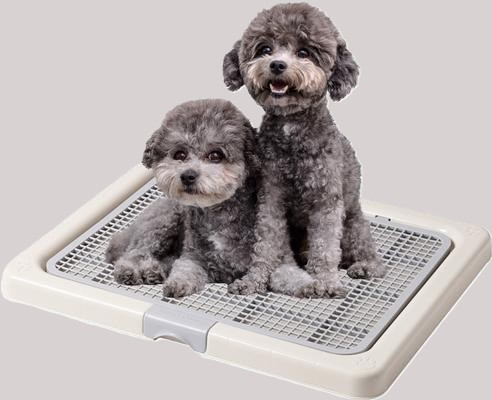
2026 Pet Potty Playbook
House training is a fundamental aspect of responsible pet ownership. It involves
teaching your pet appropriate bathroom behavior and ensuring they understand
where it is acceptable to relieve themselves. Here's why house training is a crucial
part of pet ownership:
teaching your pet appropriate bathroom behavior and ensuring they understand
where it is acceptable to relieve themselves. Here's why house training is a crucial
part of pet ownership:
- Indoor Cleanliness: House training helps maintain a clean and hygienic living environment. Teaching your pet to use a designated area for elimination minimizes the chances of accidents indoors.
- Behavioral Discipline: Through house training, pets learn discipline and appropriate behavior. They understand that certain areas are designated for bathroom activities, promoting a sense of order and routine.
- Bonding and Trust: The training process involves positive reinforcement and consistency. This helps build trust and strengthen the bond between you and your pet as they learn to follow your cues and expectations.
- Reduced Stress: A well house-trained pet experiences less stress and anxiety. Knowing where to go for bathroom breaks reduces confusion and helps them feel secure in their environment.
- Respect for Living Spaces: House training instills a sense of respect for living spaces. Pets learn to recognize that certain areas, such as bedrooms or living rooms, are not appropriate for elimination.
- Community Consideration: When pets are house trained, they are more likely to behave appropriately when in public spaces or visiting other people's homes. This consideration is especially important for dog owners.
- Health and Safety: House training contributes to the health and safety of your pet. It helps prevent them from ingesting harmful substances found in their waste, and it allows you to monitor their bathroom habits for any signs of health issues.
- Compliance with Regulations: In some places, there may be regulations or community guidelines regarding pet waste. House training ensures that you and your pet comply with such rules, contributing to a harmonious community environment.
House training promotes cleanliness, discipline, and a positive relationship between
you and your pet, leading to a more enjoyable and harmonious living arrangement
for both parties. Here are 10 effective ways to help your dog learn good bathroom habits:
you and your pet, leading to a more enjoyable and harmonious living arrangement
for both parties. Here are 10 effective ways to help your dog learn good bathroom habits:
House-training your dog may present its challenges, but with these 10 simple
and effective strategies, you can help your furry friend develop good bathroom
habits. Establishing a routine, using positive reinforcement, and being patient
are key elements in the process. Remember, consistency and love will go a long
way in helping your dog become a well-behaved and house-trained companion.
If you encounter persistent difficulties, don't hesitate to seek professional guidance
from a veterinarian or dog trainer to ensure your pet's health and happiness.
Happy house-training!
and effective strategies, you can help your furry friend develop good bathroom
habits. Establishing a routine, using positive reinforcement, and being patient
are key elements in the process. Remember, consistency and love will go a long
way in helping your dog become a well-behaved and house-trained companion.
If you encounter persistent difficulties, don't hesitate to seek professional guidance
from a veterinarian or dog trainer to ensure your pet's health and happiness.
Happy house-training!